
-
HOTEL SUNCLUB CALAVINYA
The history begins in 1962
The iconic Cap Salou hotel, renovated in 2025, reopens its doors.
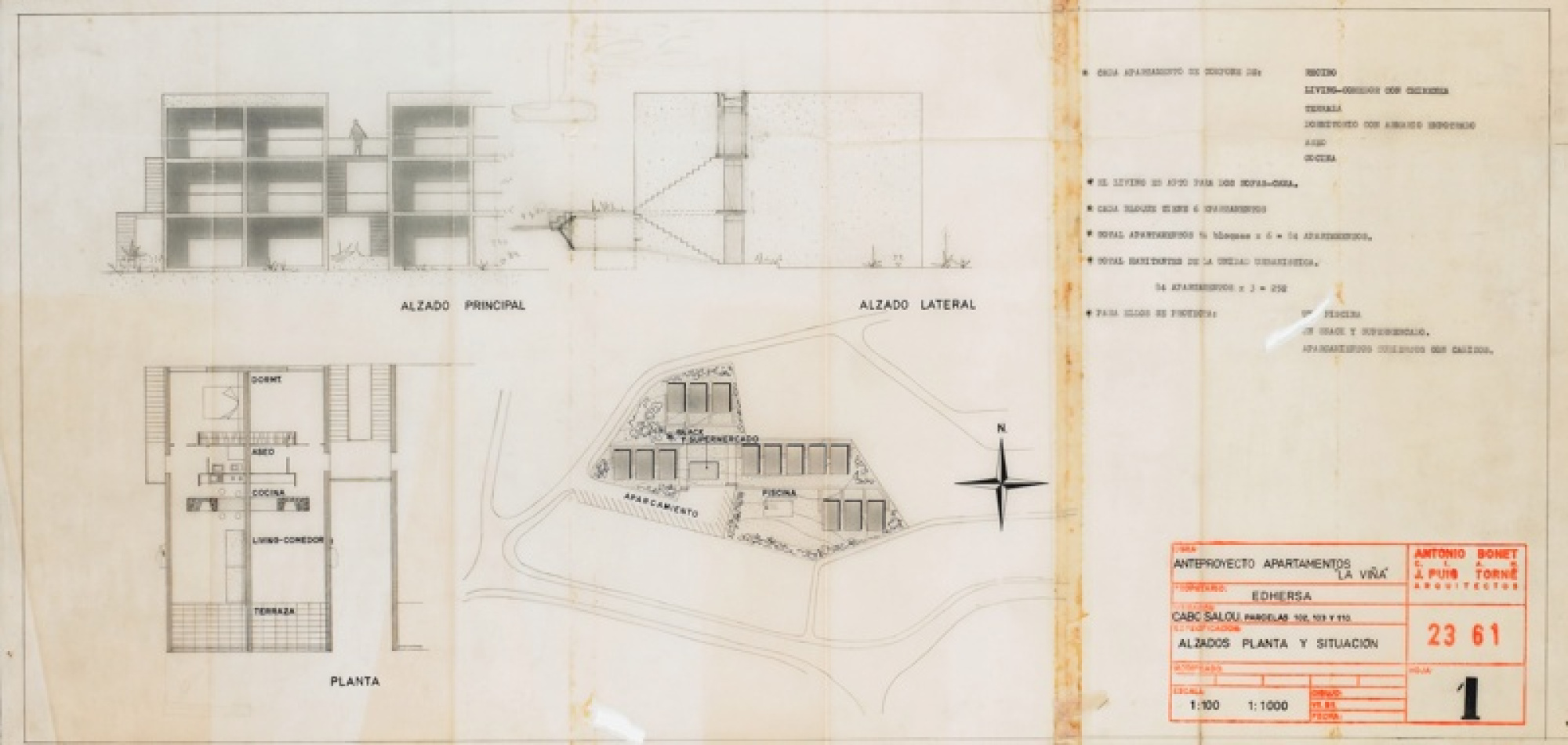
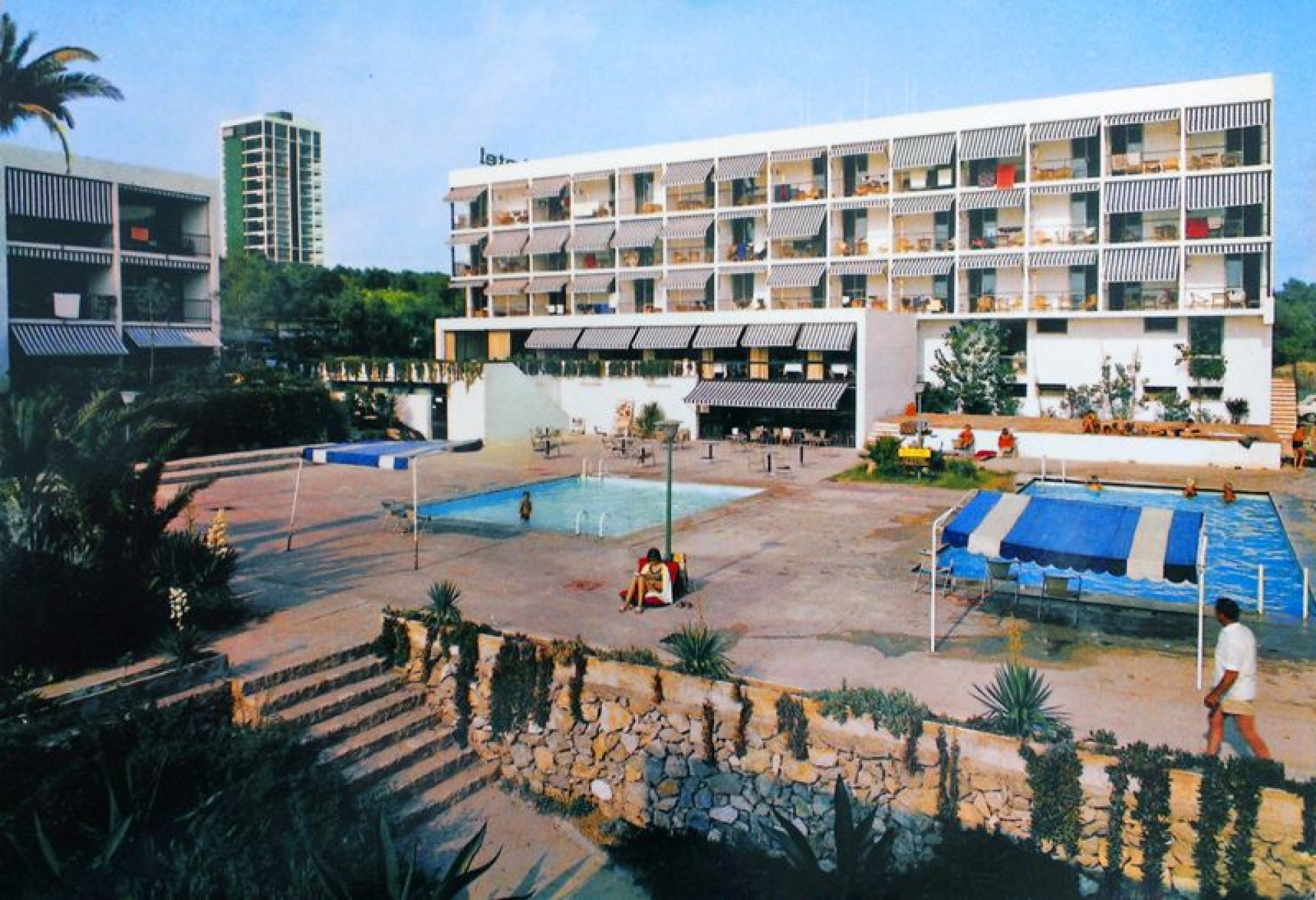
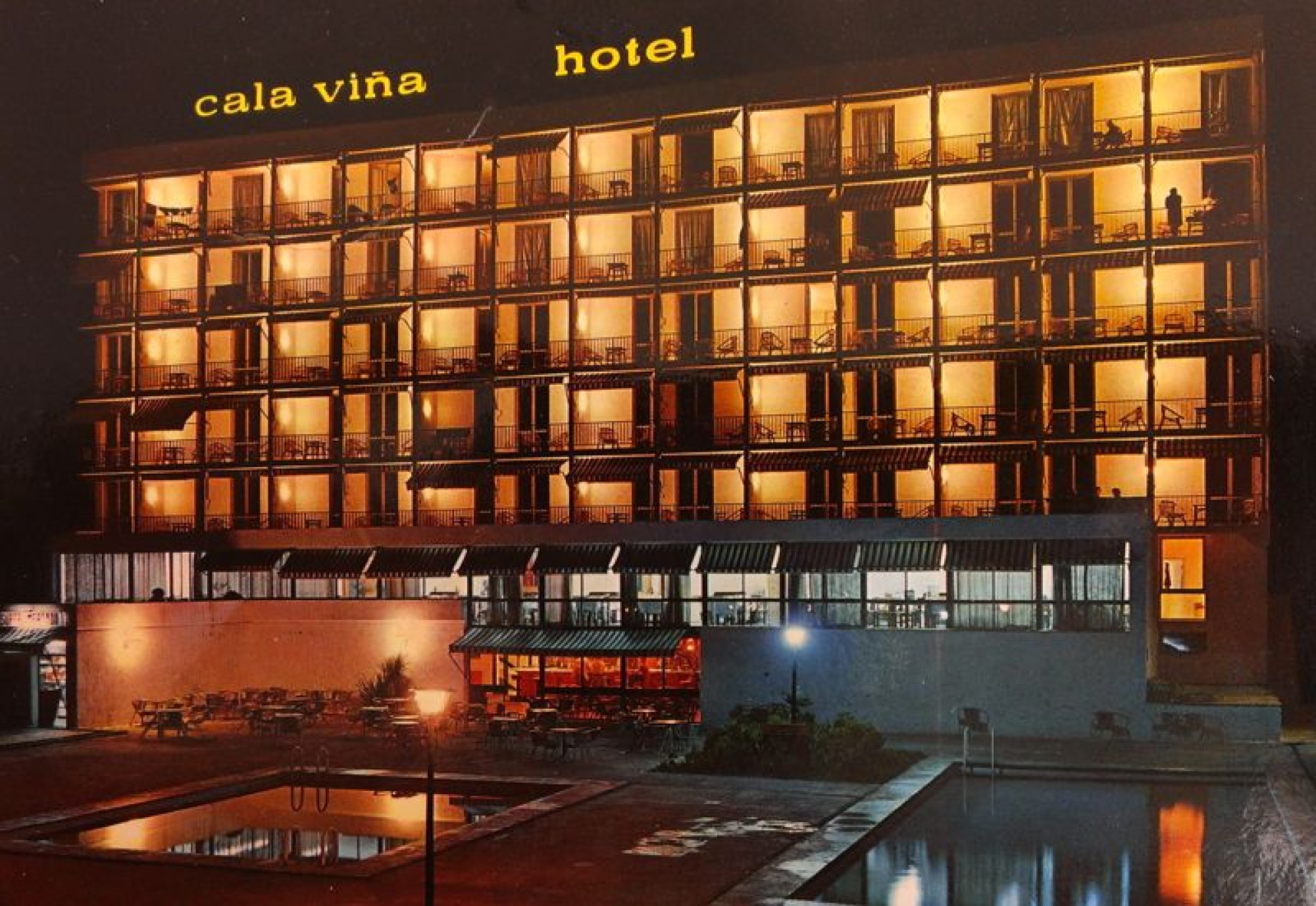
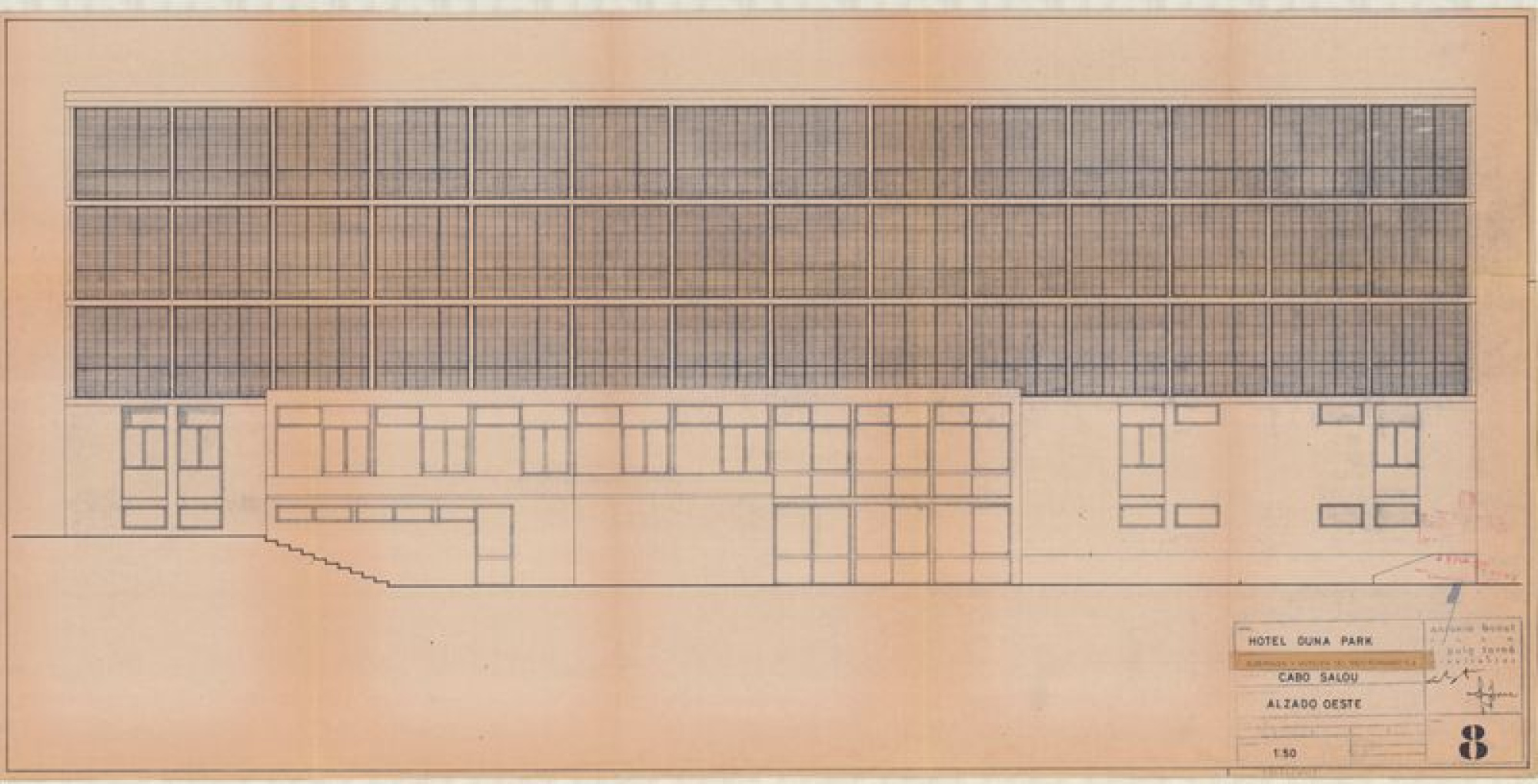
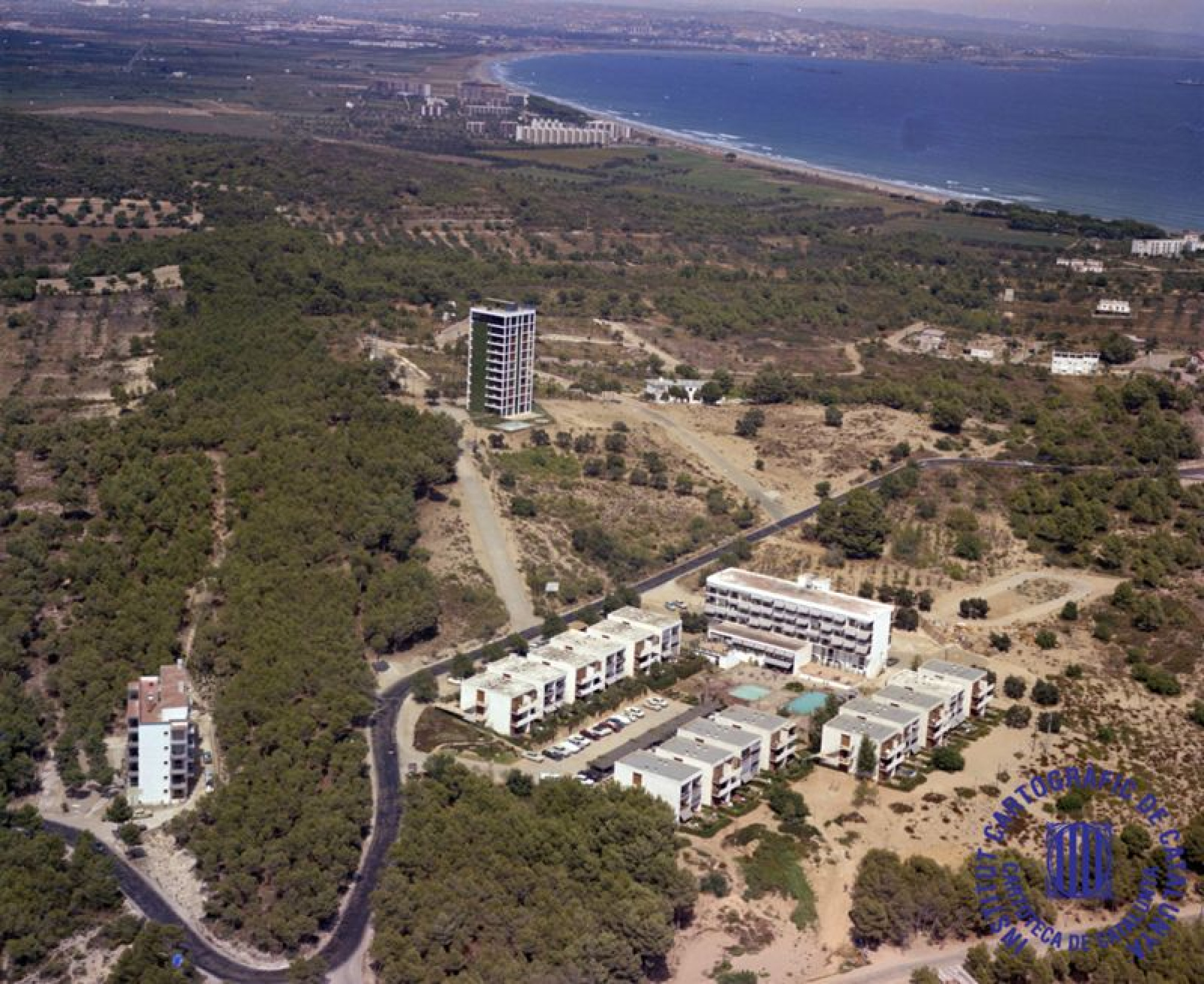
Opened in 1962, it was one of the first hotel establishments in Salou and a work by the renowned architect Antoni Bonet Castellana. Located in the heart of Cap Salou, next to the Costa road and just 500 metres from the cove that gives it its name, the building came back to life in 2025 under the local chain SunClub Hotels, after two years of rehabilitation work.
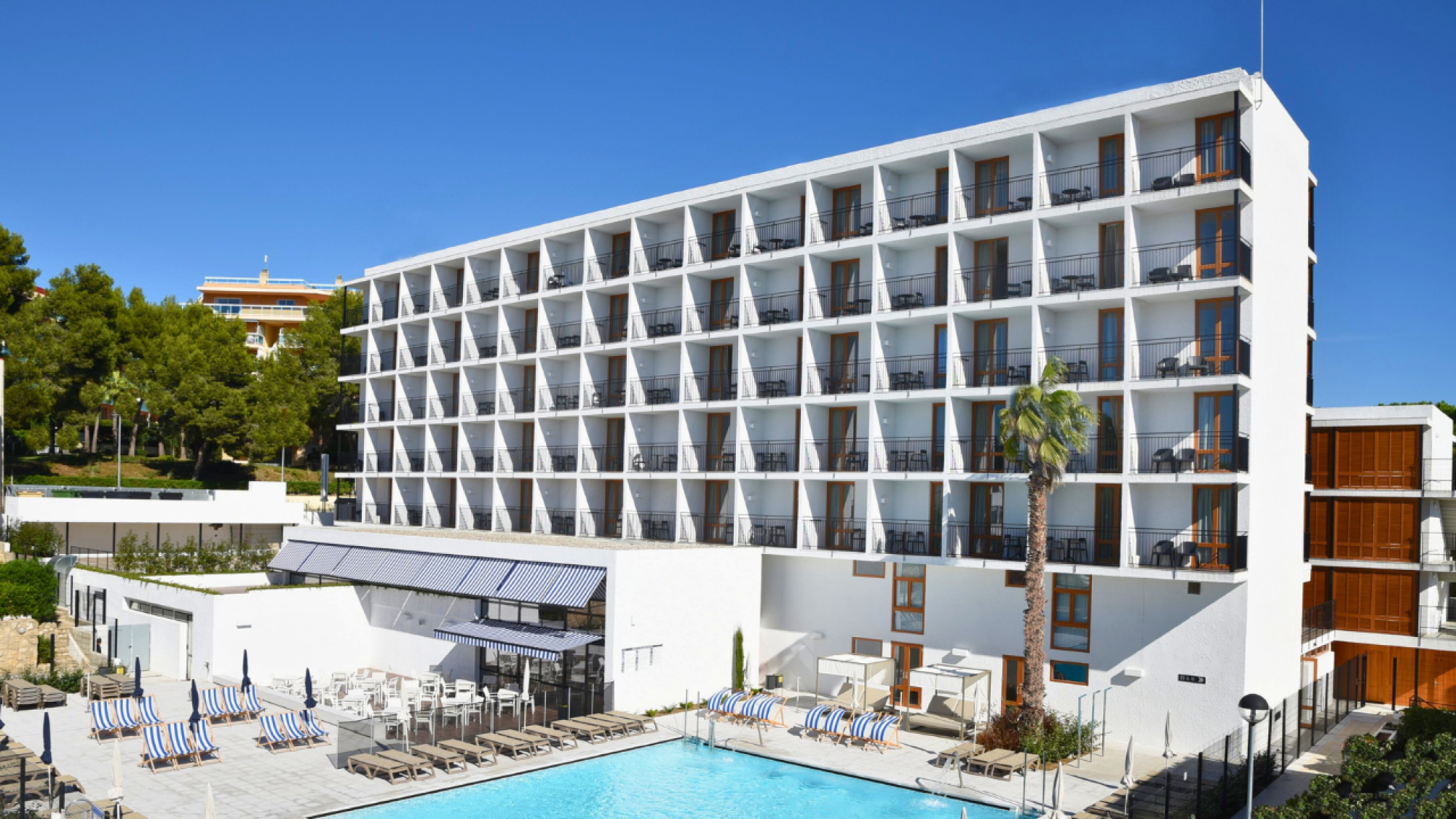
The intervention, which involved a major investment, has allowed the building to be refurbished while respecting its original aesthetic, as well as the addition of a new block of rooms and the construction of an underground parking facility. In total, the property now has 100 rooms.
The renovated hotel, now called Hotel SunClub CalaVinya, offers facilities such as an outdoor pool, sun terrace and hot tub, as well as a buffet-style restaurant and bar area. Drawing inspiration from the modernist architecture of the 1960s that characterises the building, the interiors recreate the aesthetics of that era with a retro-inspired atmosphere and decor.
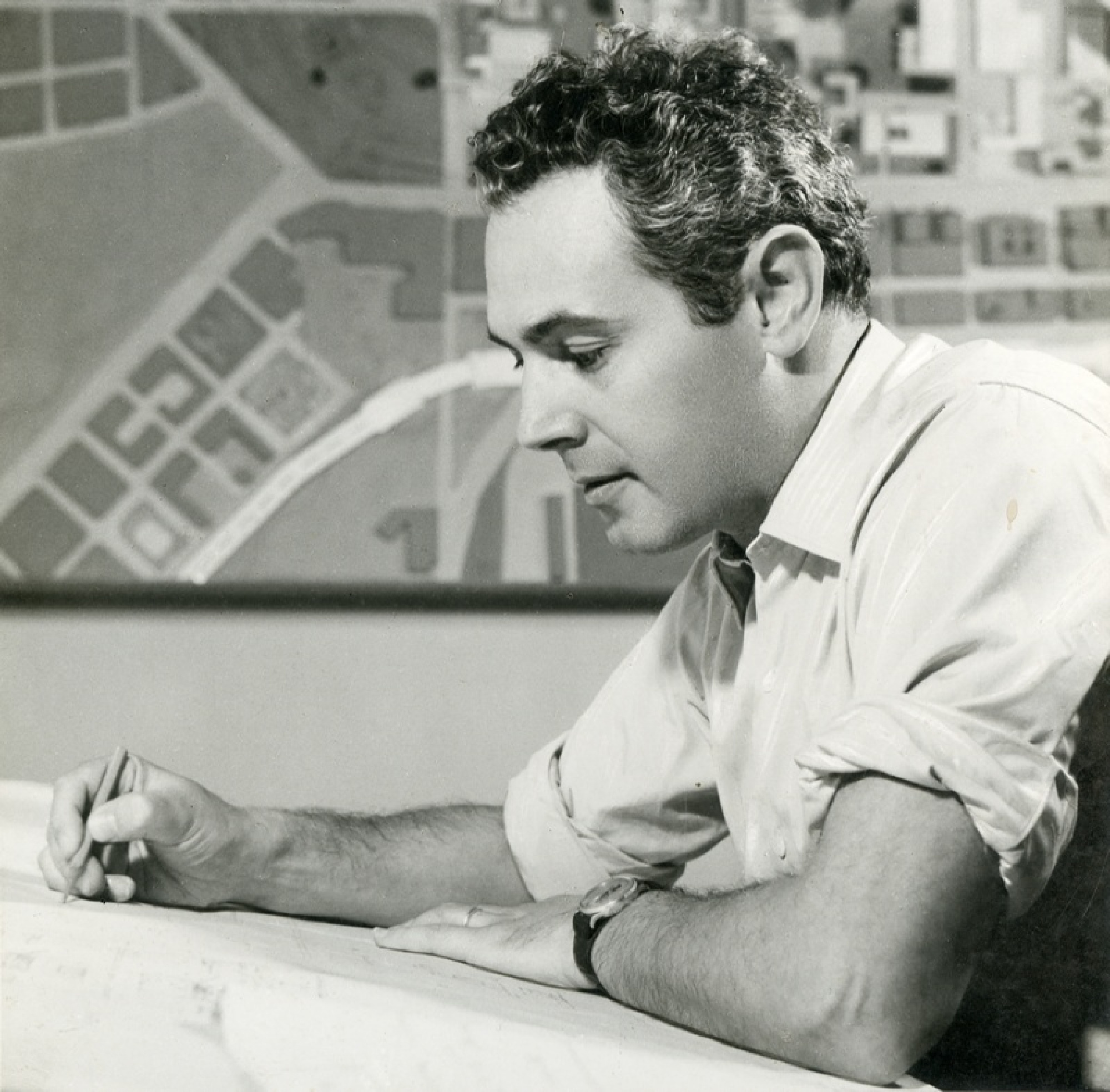
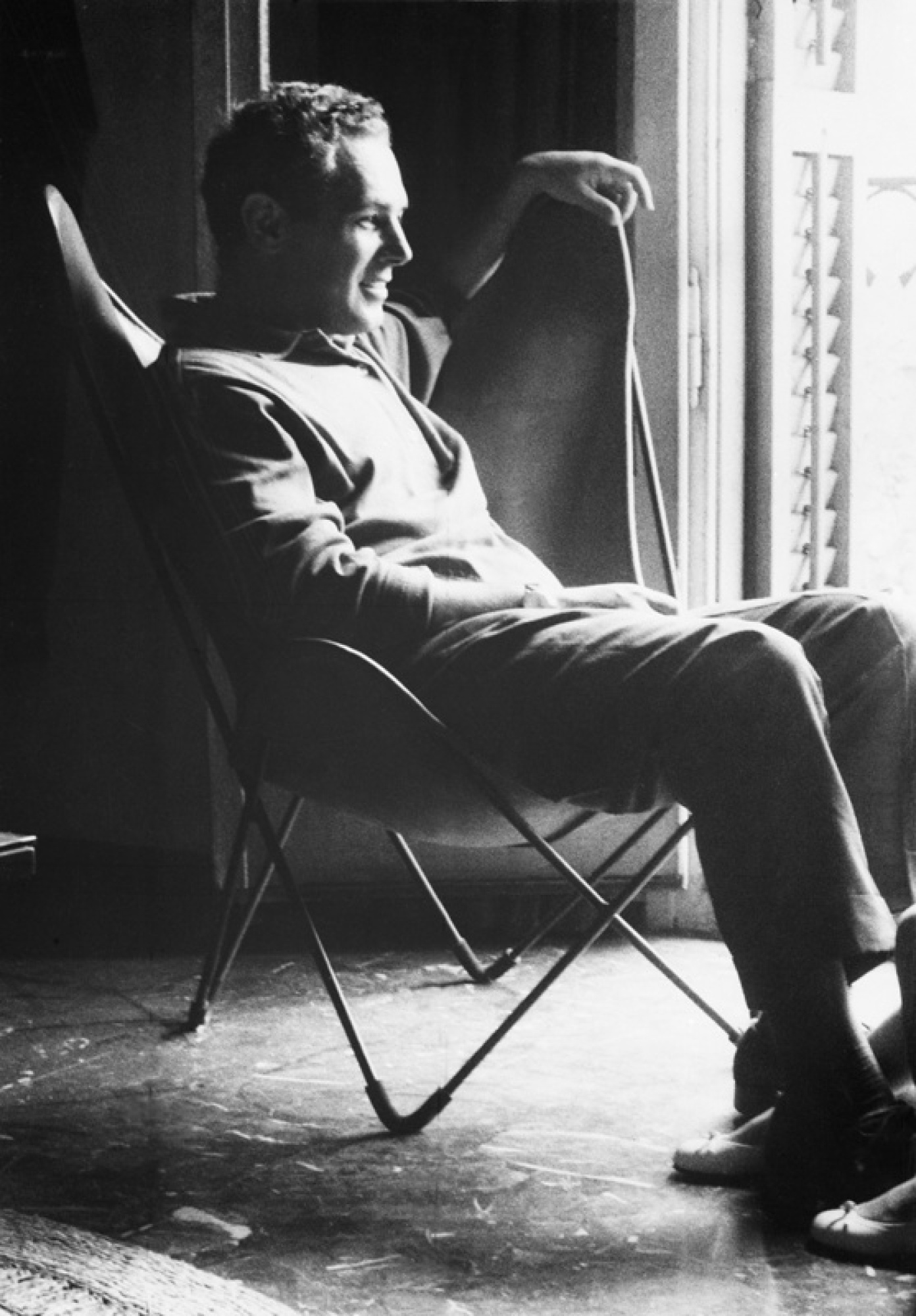
Antonio Bonet Castellana
Hotel CalaVinya
Barcelona 13/08/1913 - 12/09/1989.
Degree in Architecture: 1945 (validation).
He began his primary and secondary studies at the Escolapias schools. In 1929 he enrolled in the Faculty of Exact Sciences and the Higher School of Architecture of Barcelona and obtained his degree in architecture in 1945.
Between 1932 and 1936 he carried out his first professional work in the studio of Josep Lluís Sert and Josep Torres Clavé. In 1934 he joined GATCPAC as a student member and, in 1935, together with Torres Clavé and Sert he founded the firm MIDVA (furniture and decoration for modern housing), dedicated to the serial manufacture of furniture, winning the Grand Prize at the Barcelona Decoration Salon that same year.
In 1936 he completed his studies, traveled to Paris and joined Le Corbusier’s studio. At the same time he collaborated with Sert and Torres Clavé on the construction of the Spanish Pavilion for the 1937 International Exposition, and he built the Catalonia stand at the International Press Pavilion.
During the Spanish Civil War he decided to move to Argentina. There he formed the Grupo Austral with a group of Argentine architects. From 1938 to 1963 his professional career took place between Argentina, Uruguay and Catalonia, returning definitively to Barcelona in 1963.
Some of his most emblematic projects in Barcelona are La Ricarda, the Canòdrom Meridiana — with which he won the FAD award — and the Mediterrani building, the Hotel Cala Viña; as well as the House of Studies for Artists in Buenos Aires, the Terraza Palace building and the La Solana del Mar building.
Source: Col·legi d'Arquitectes de Catalunya
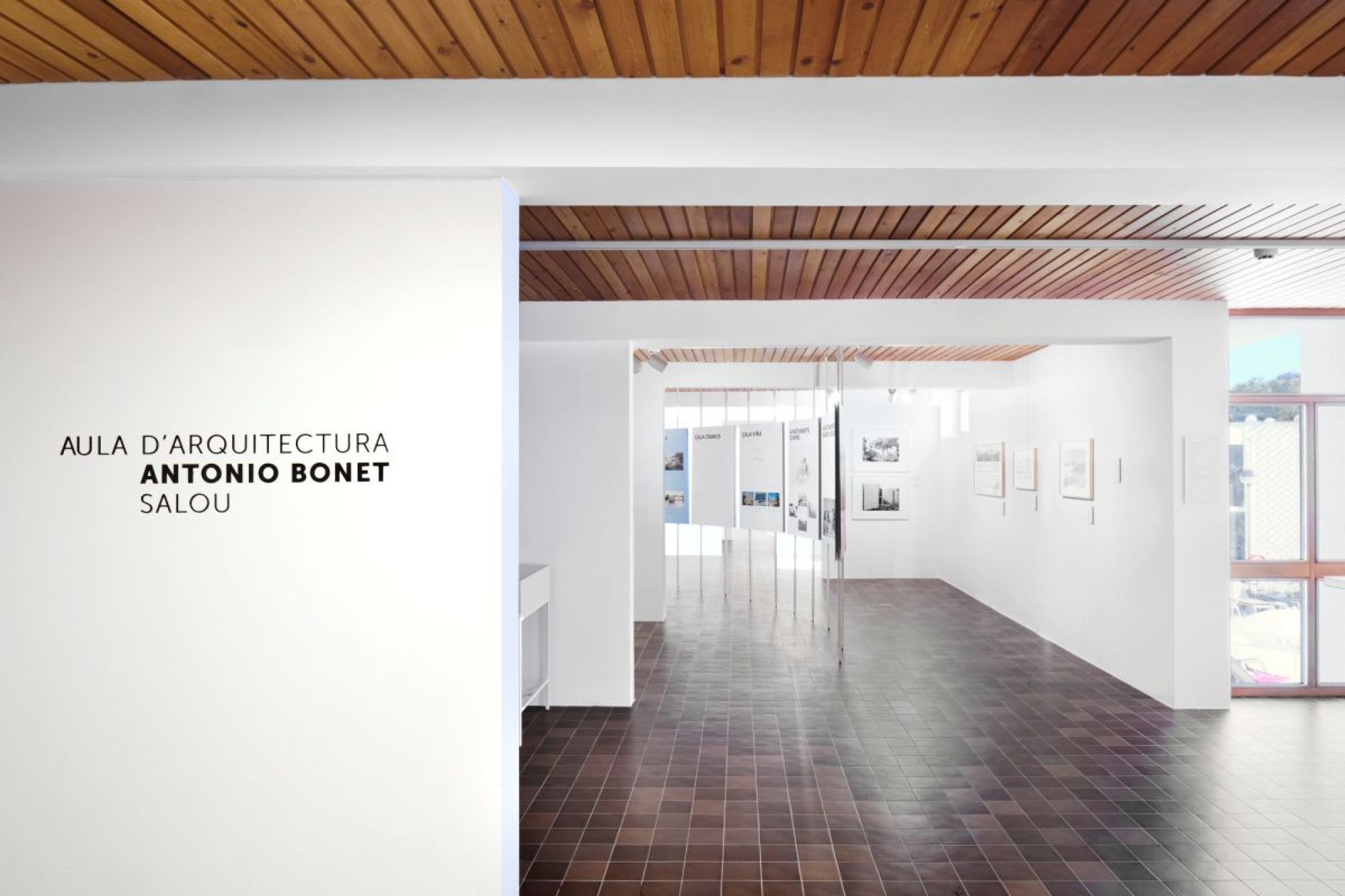
Aula of Architecture
Antonio Bonet Salou
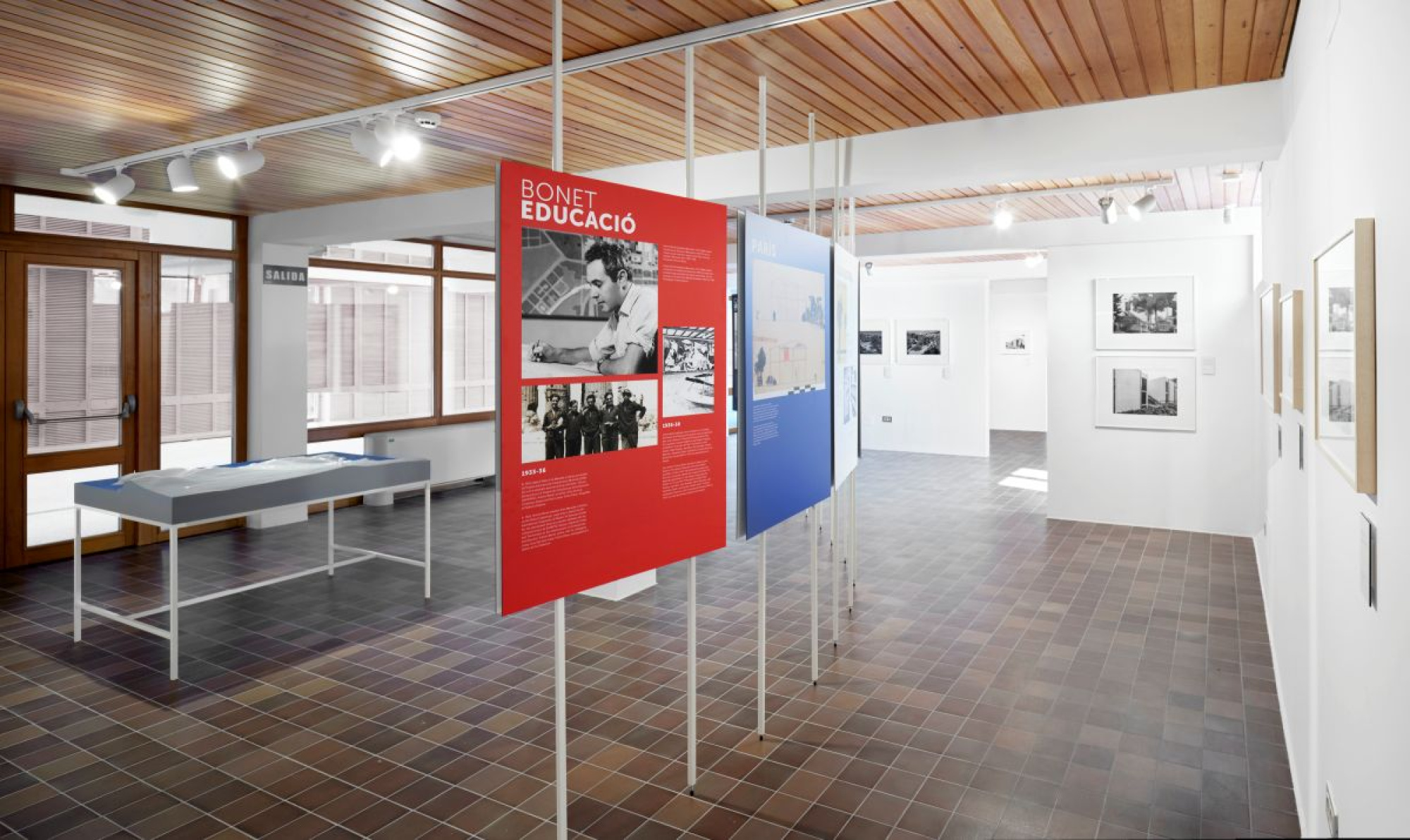
The hotel features a small exhibition space dedicated to the architect Antonio Bonet Castellana, who was responsible for the design of this building and is one of the most prominent figures of 20th-century modern architecture.
In this space you can learn more about his work and his connection to this place through images and elements that help to understand his architectural vision. It is an opportunity to discover the history and architectural value that form part of the hotel's identity.